Composition is the foundation. A body of work is how you learn it.
Composition is how all the parts of a photograph work together to express and communicate what an image is really about.
It is a visual language, with its own grammar and syntax. The words are the elements of visual design: line, shape, tone, color, space, and the relationships between them. The viewer's eye and brain read those relationships in an instant, whether you intended them or not. We combine those elements to convey an idea, an emotion, or a story. Learning to see this way, in your own work and in the work of others, is what the first four sessions are about.
The last part of the cohort is where you practice what you've learned in a project. You work on editing and assembling a cohesive group of images that share a common theme, driven by their compositional strength and visual story. By the end you can explain why each photograph works and why the project holds together.
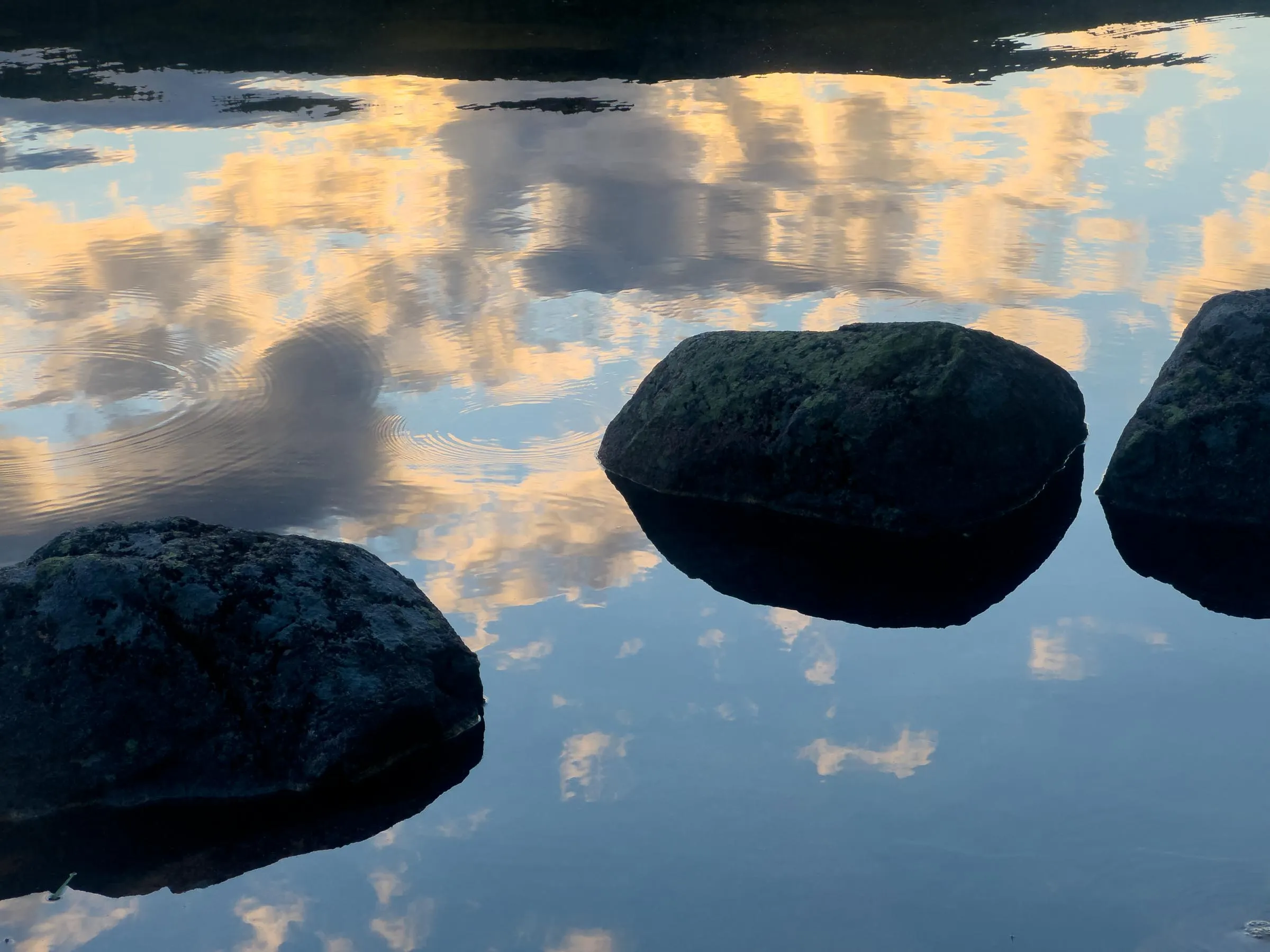
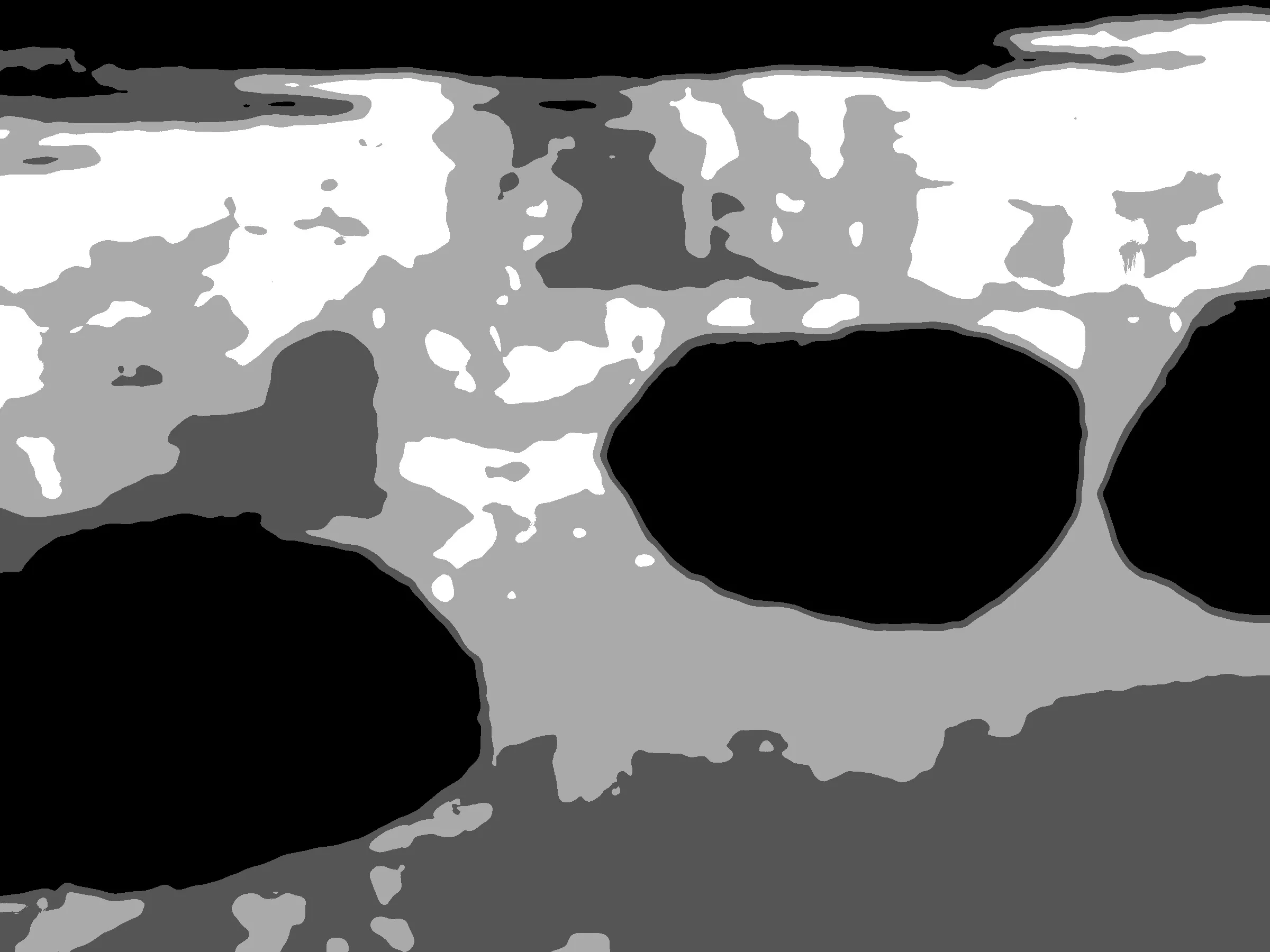
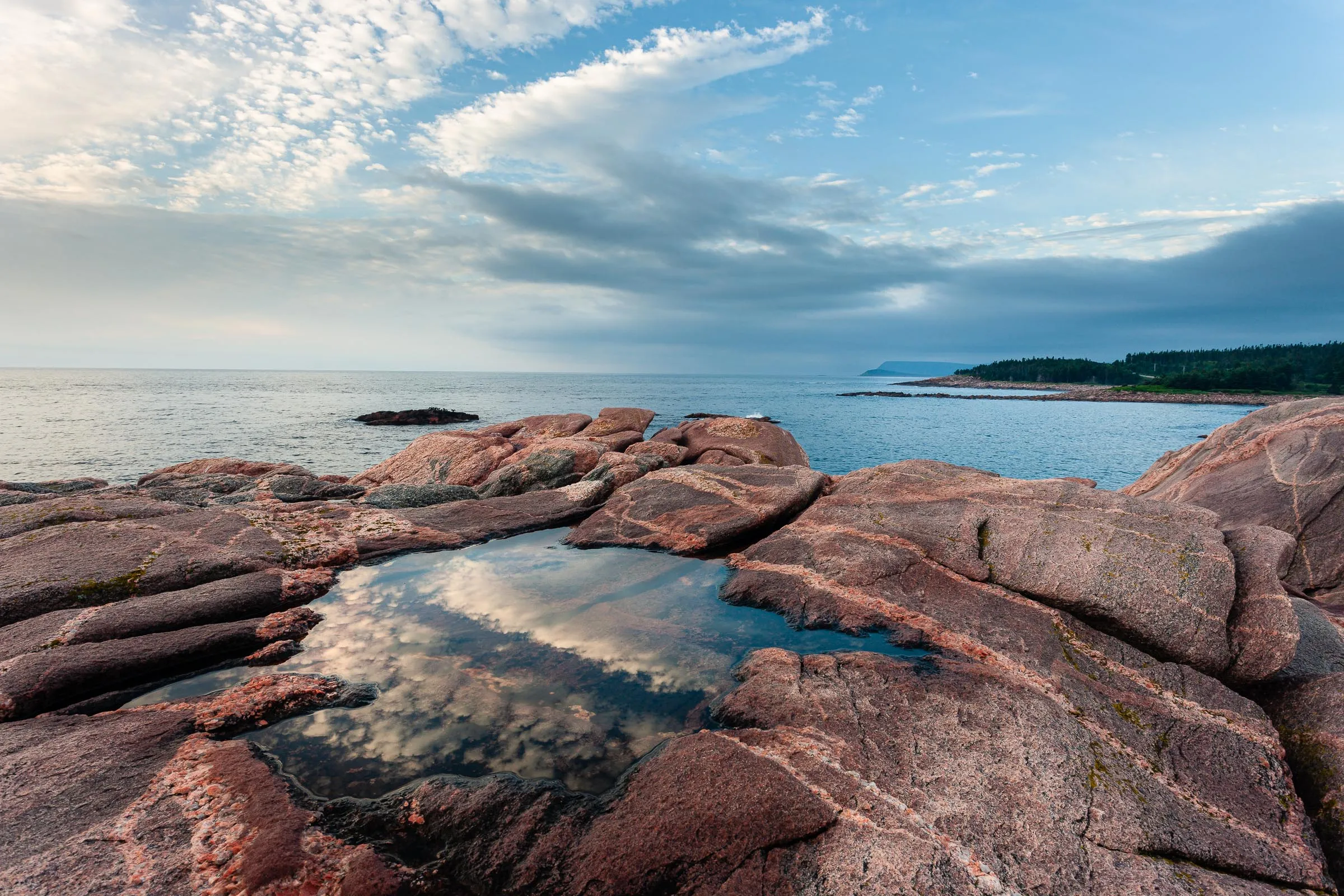
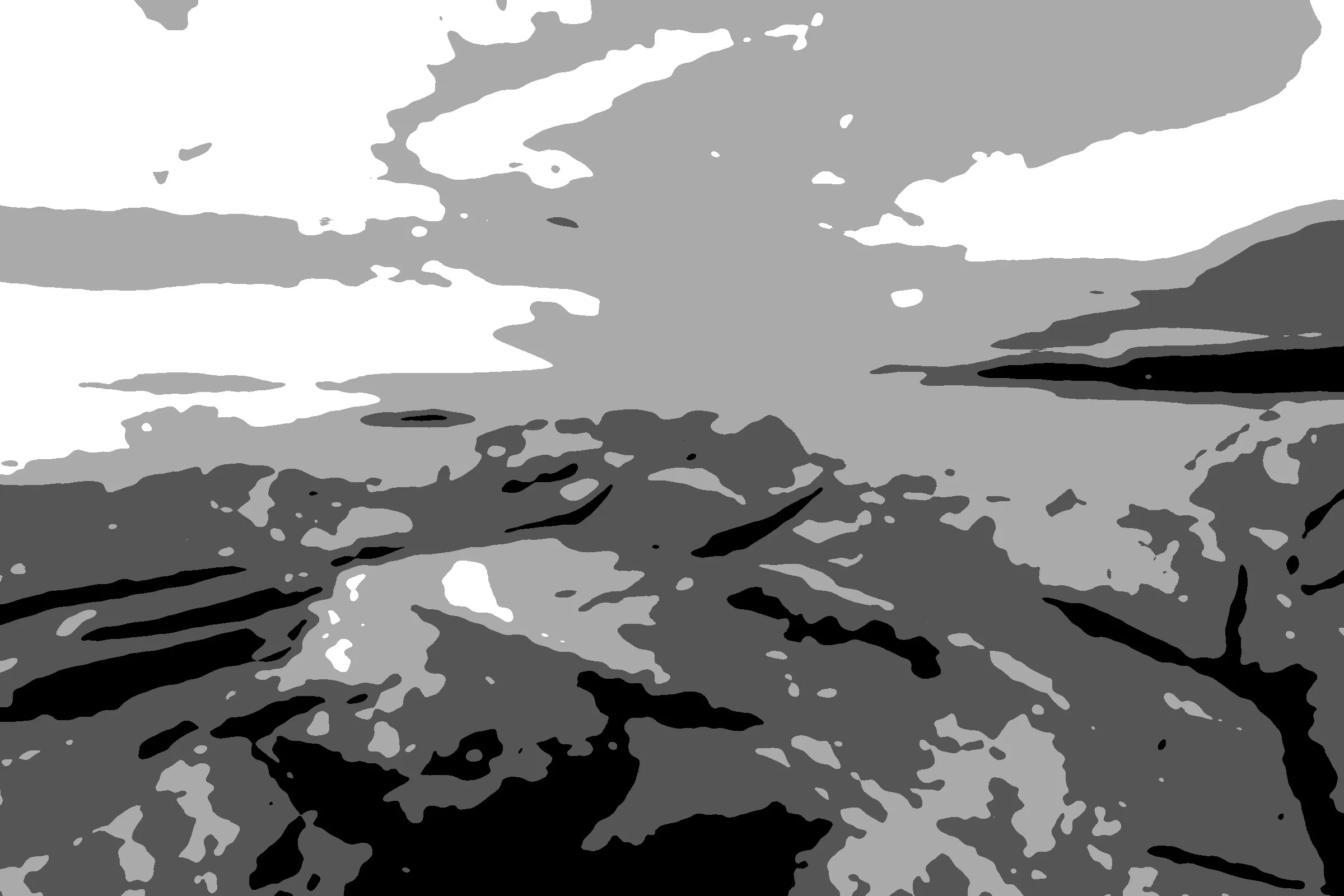
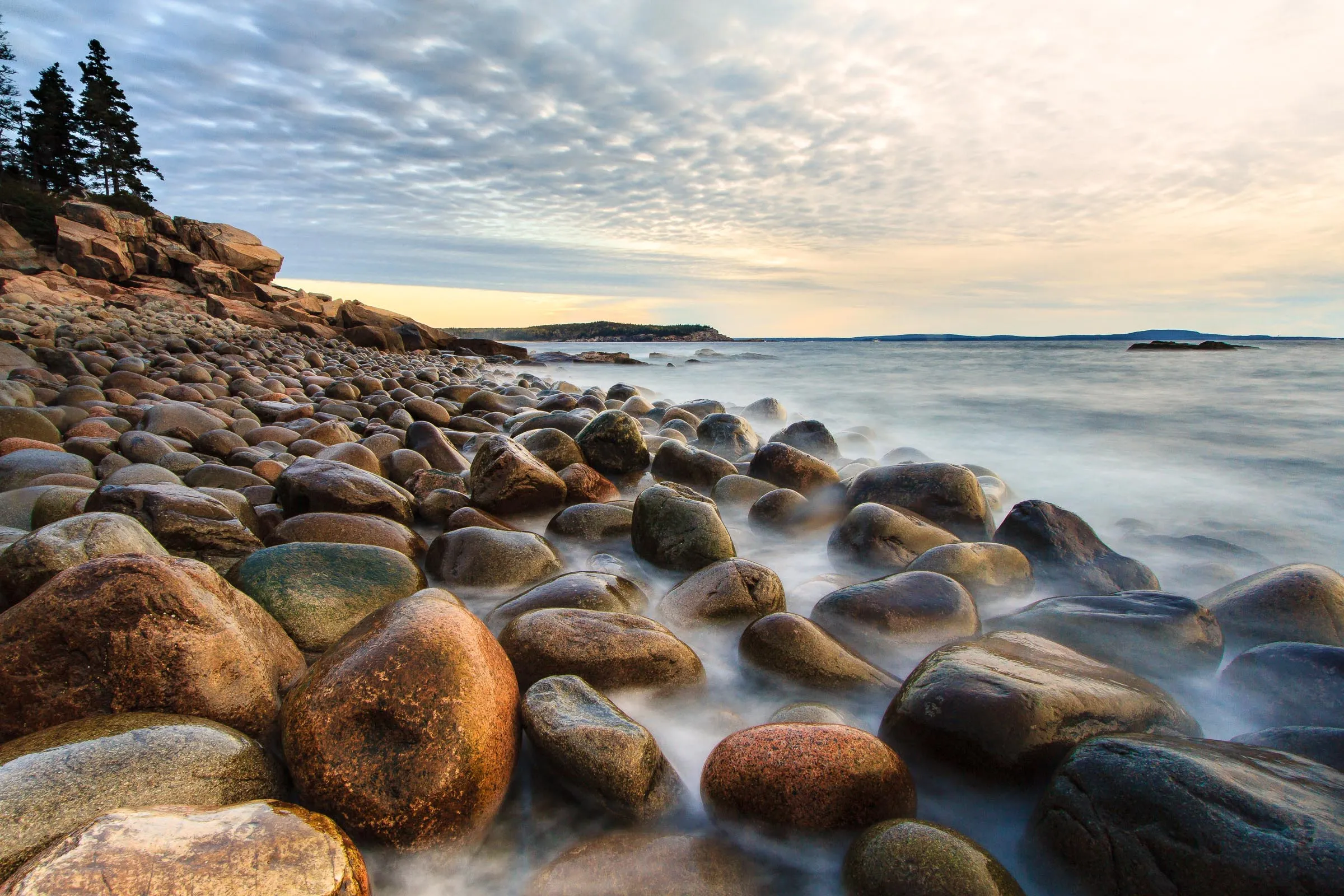
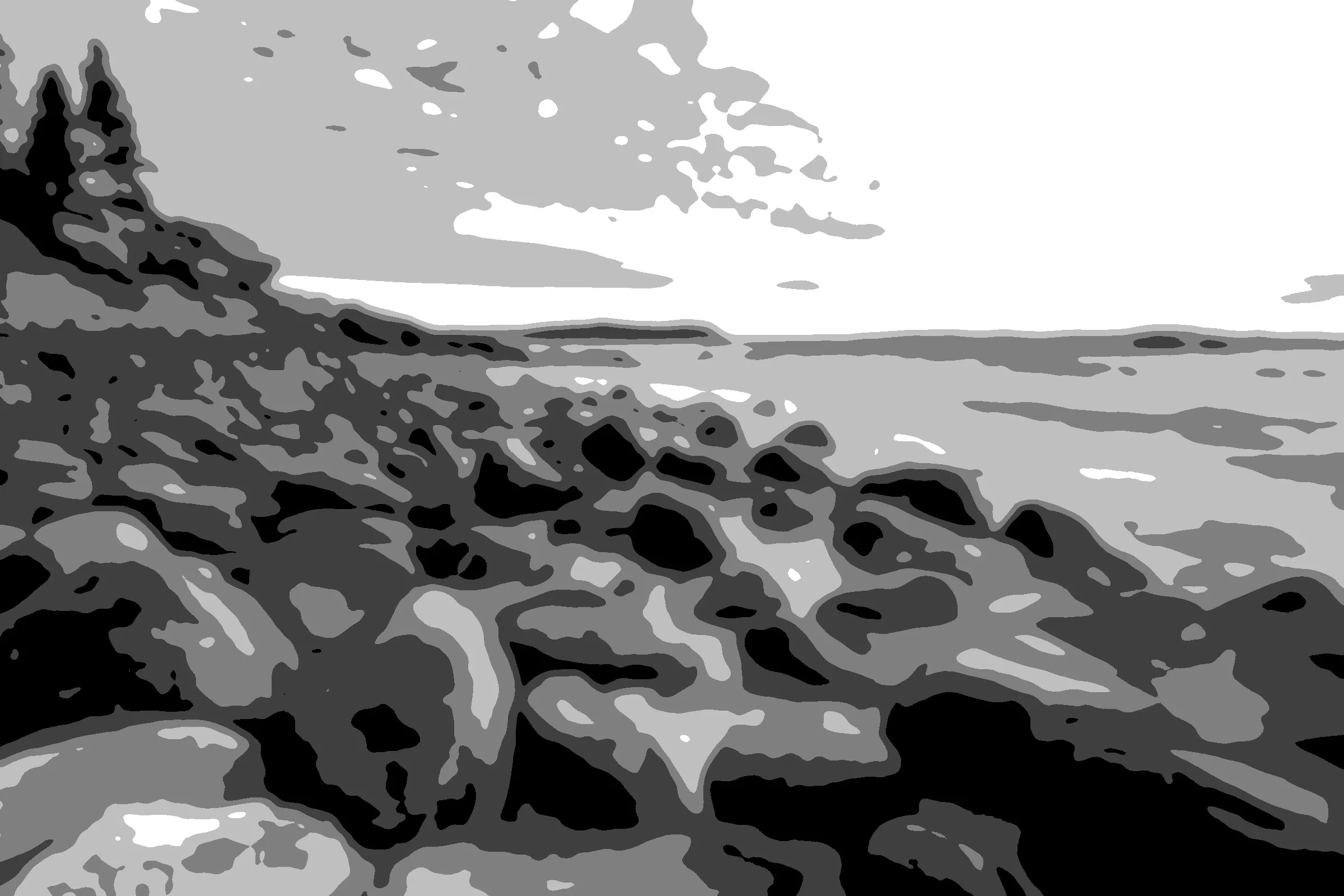
Drag to reveal the structure
Your archive or new photographs. Either works.
Most photographers I talk to have the same problem: thousands of images and no clear idea which ones work, or why. So that's where we start. Before the first session, you choose twenty photographs around one subject or theme, a place, a thing, or an idea, and write one sentence about what it's about. That sentence will change over the ten weeks, and that's the point.
You can work from your archive, make new photographs, or do both.
Most photographers think of composition as something that happens in the field. But every editing decision that really makes a difference to the viewer, what you crop, what you darken, what you let recede, is a decision about composition and visual design. What you learn here applies in the editing as well as in the field.
Photographs that hold on their own. A project that holds together.
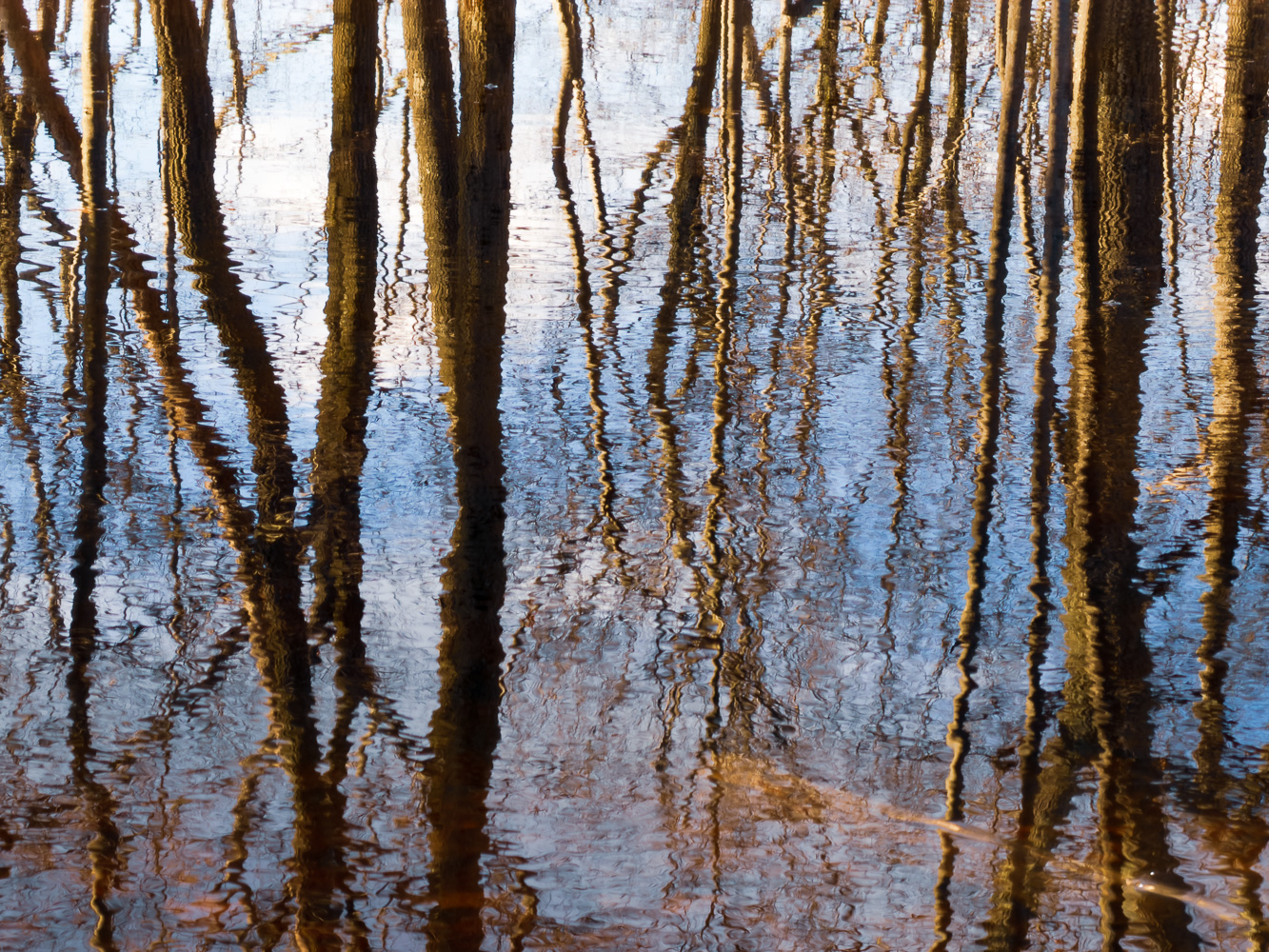
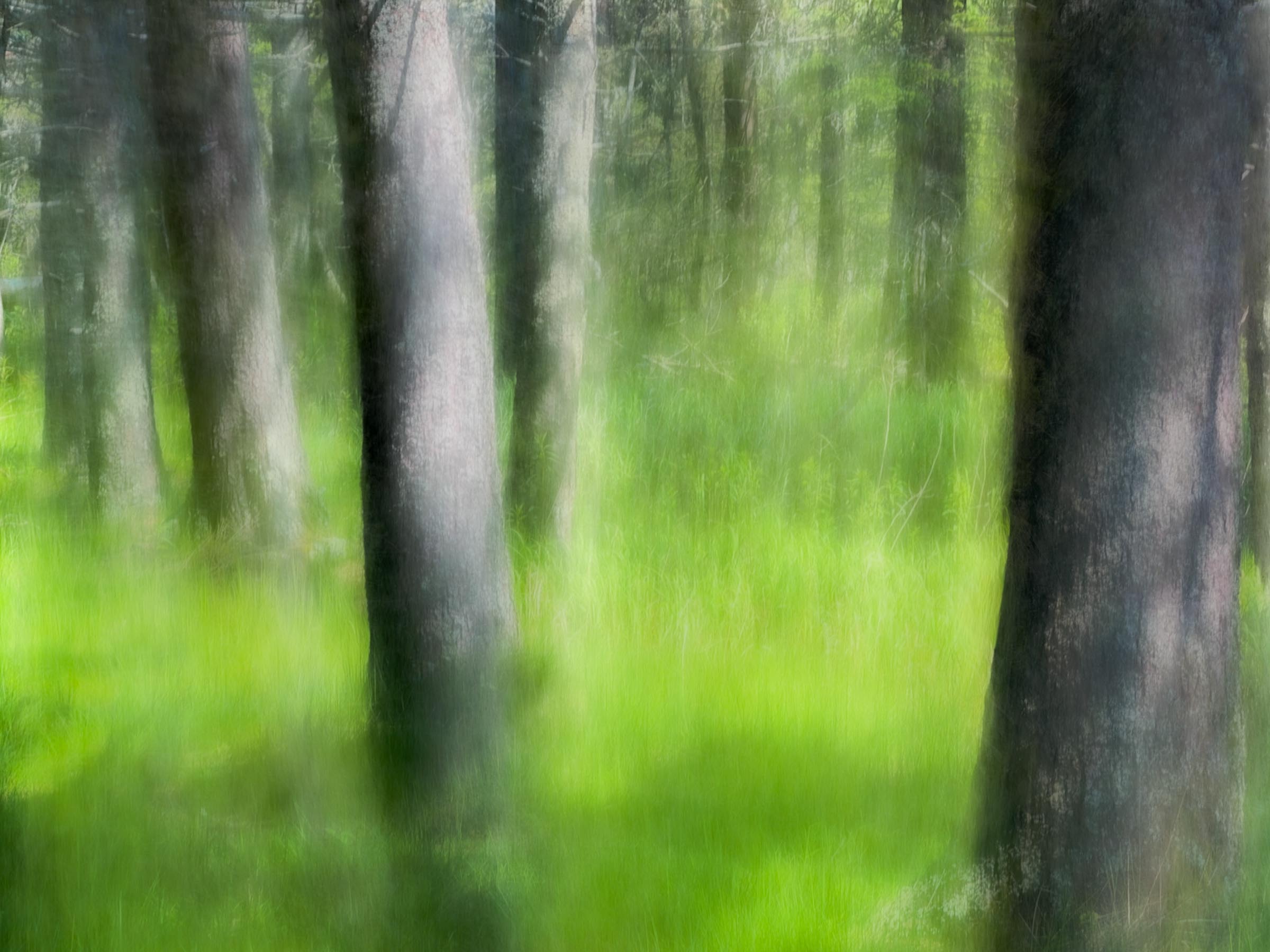
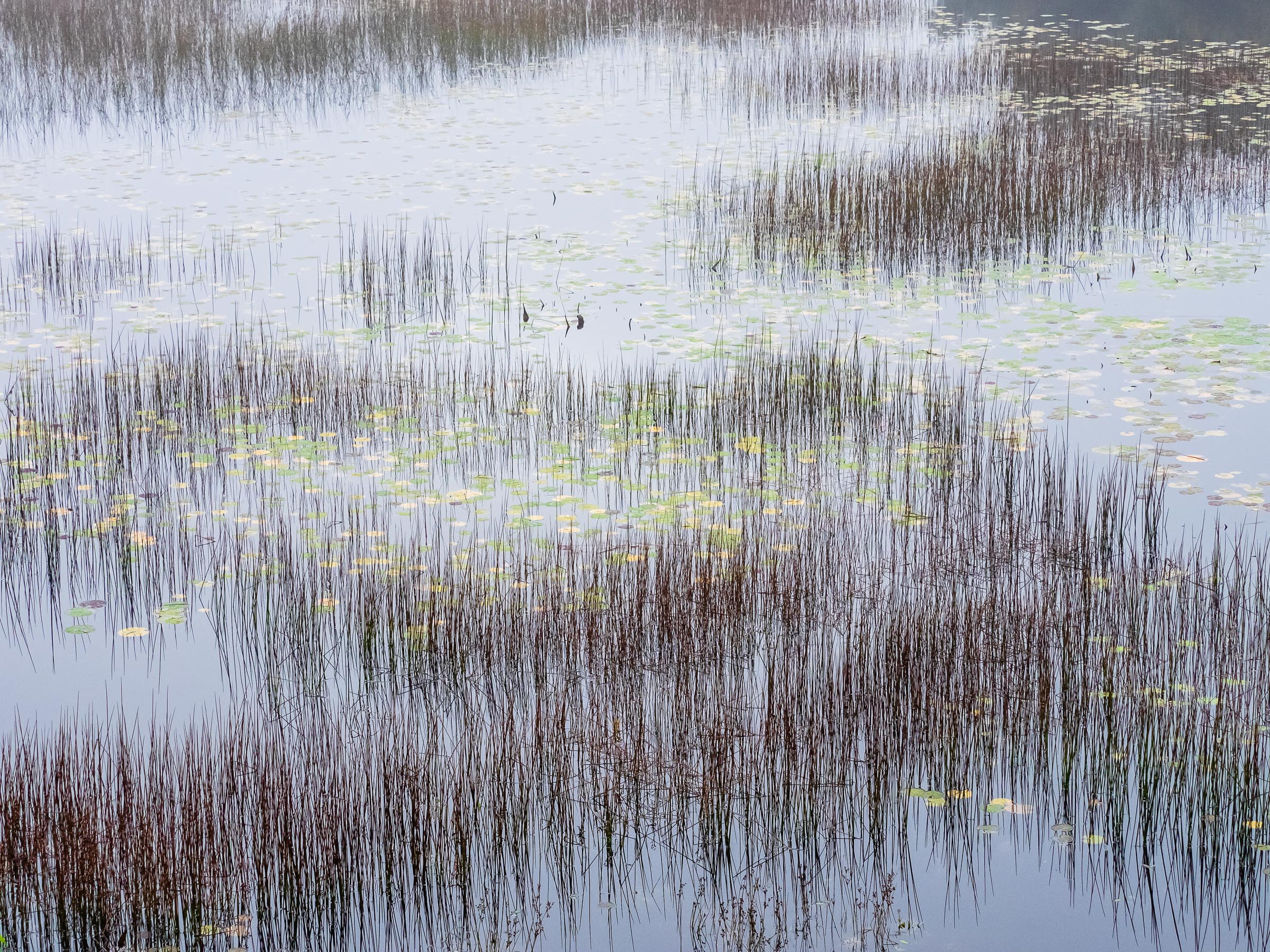
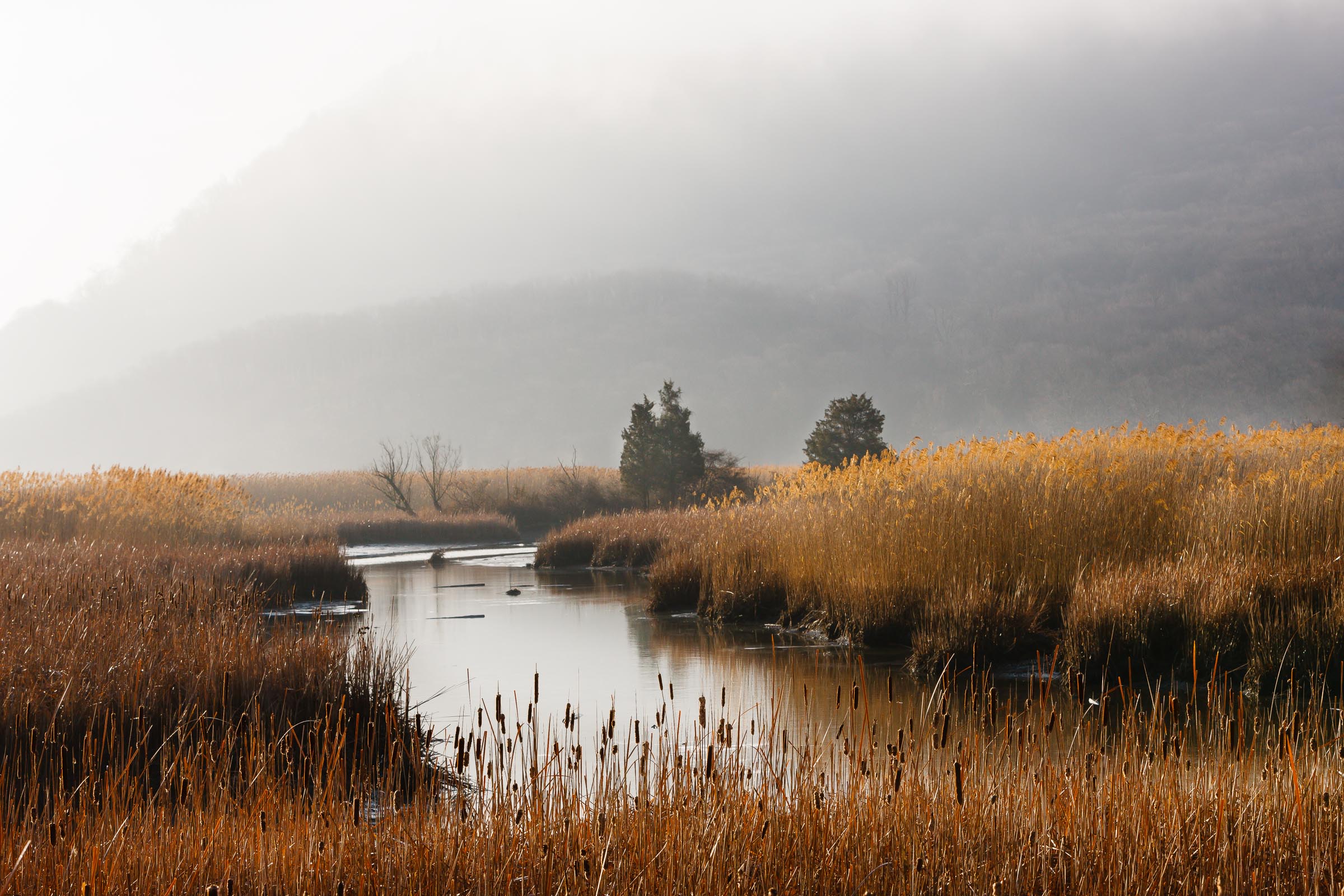
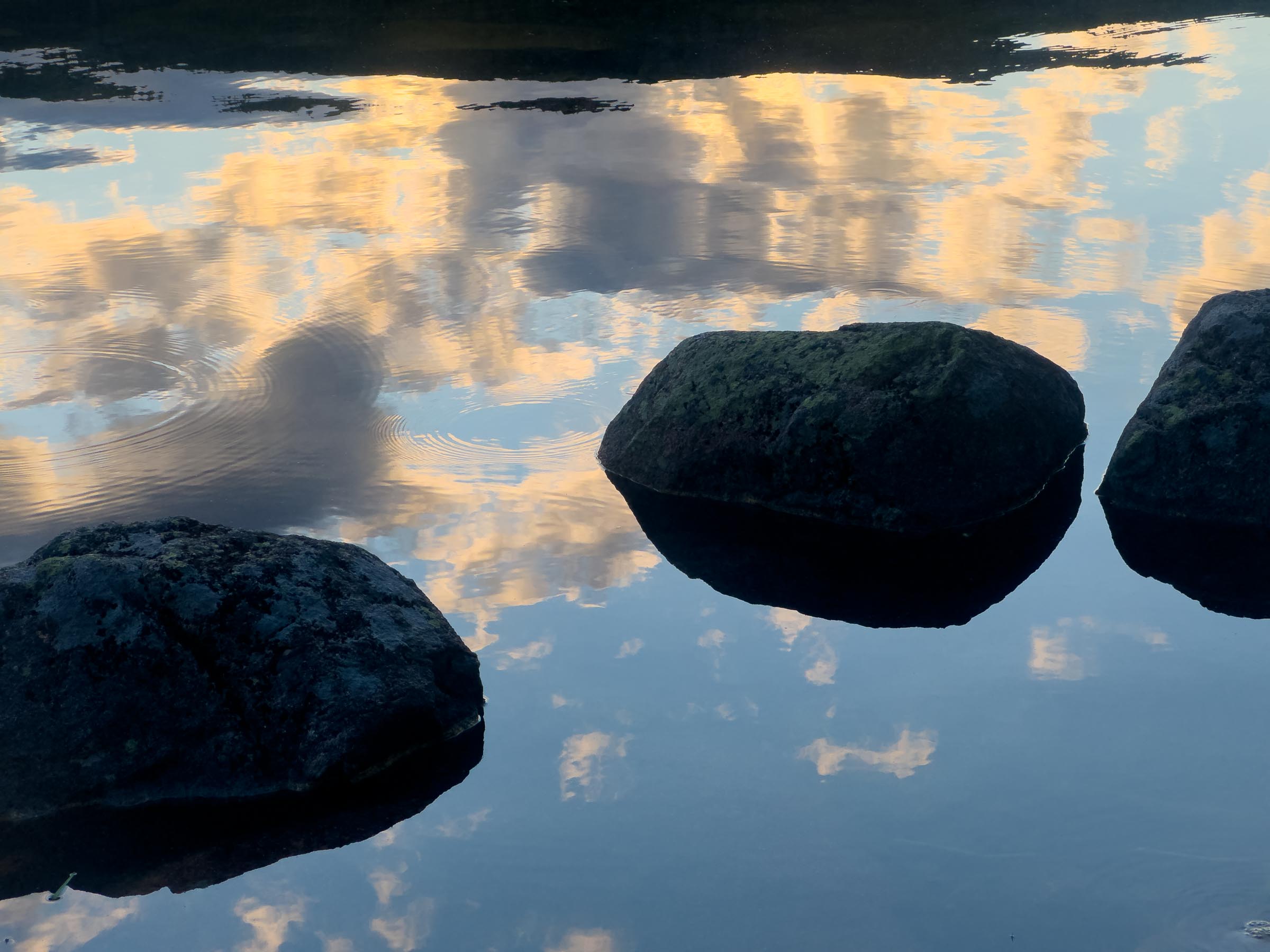
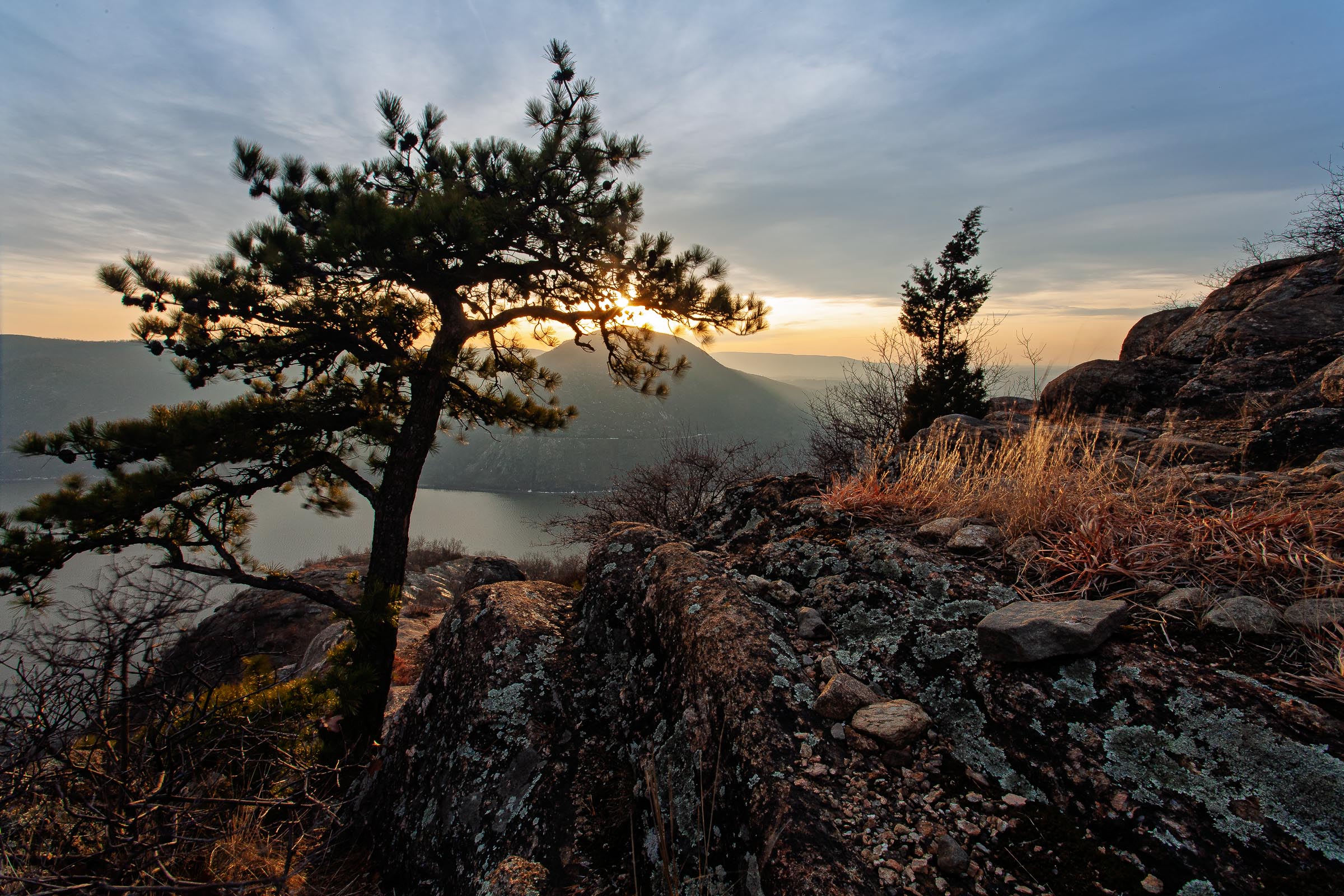
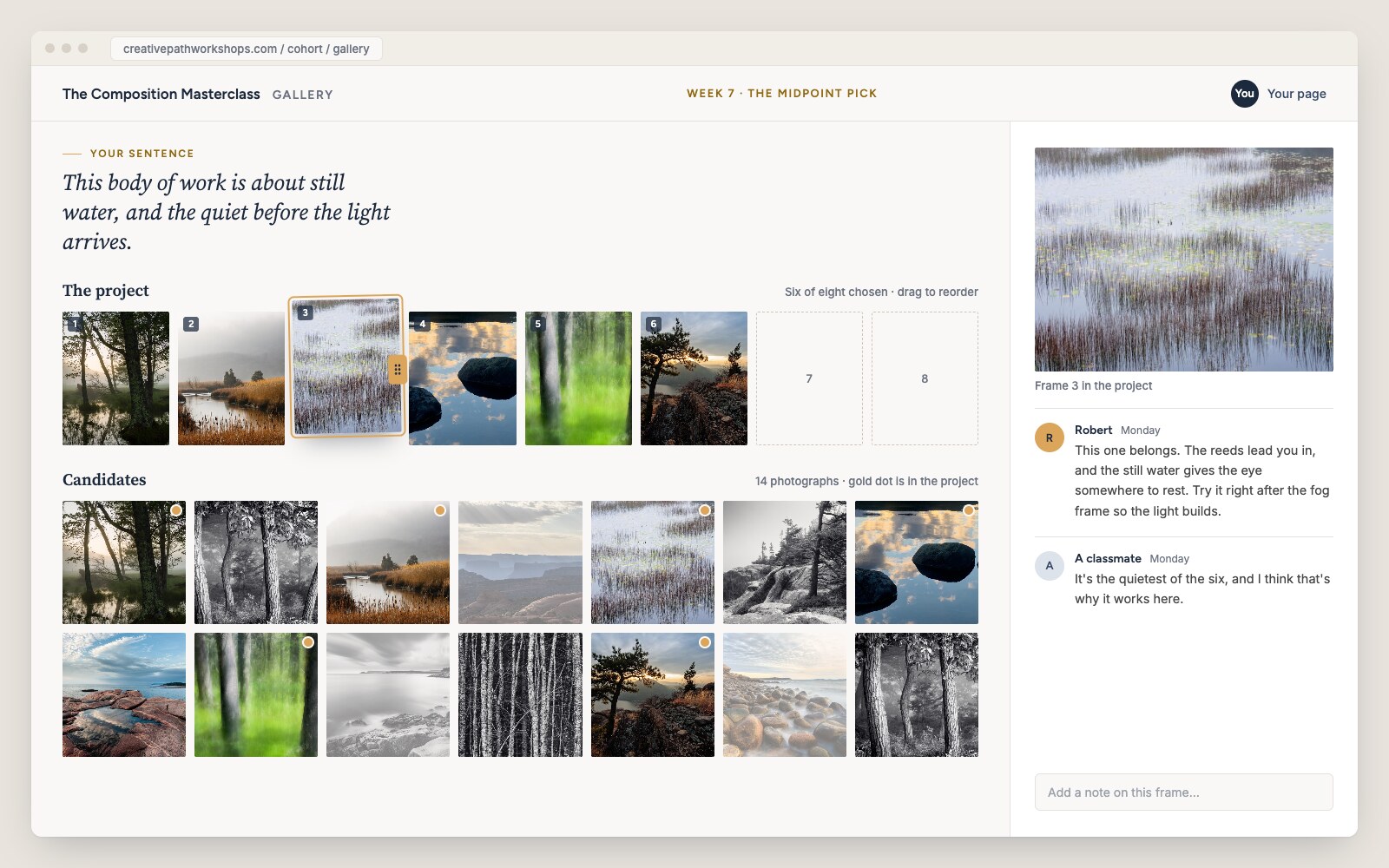
Six of my photographs, sequenced from dawn to dusk. Still water and soft light.
You compose on purpose.
You can look at any photograph, yours or anyone else's, and say what it's about, what leads the eye, what's in charge, and what should have been left out.
The project holds together.
Six to eight images that read as one body of work, sequenced, with a one-paragraph statement in your own words.
You know why.
The vocabulary to say why a photograph belongs in the project and why it doesn't, so you can do this again on your own.
The photographers who get the most from this
After fifteen years of teaching, I've found they usually fall into one of three groups:
You know composition is where the real progress is. Gear, technique and trends have taken you as far as they can. You know composition is the one area where you can still make significant, meaningful progress, and it doesn't depend on any of them.
You know the rules and your pictures still don't hold. You can name the rule of thirds and leading lines, and something is still missing that you can't put into words.
You have years of images and no body of work. You photograph seriously, your archive is large, and you have never put together a project you could show and explain.
If you want ongoing weekly sessions and a community, the Academy is the better fit. This is ten weeks of focused work with a clear beginning and end.
Tuesdays, 1:00 to 2:30 pm Eastern Time
Ten sessions. Three stages.
Seeing is a skill, and you learn it the way you learn a language: by reading it. Painters have been solving the same problems for centuries longer than photographers have, and they offer countless examples of masterful composition, where design is expressed together with light, scale and emotion.
In the first four sessions we study great composition, in paintings and in the work of master photographers, and learn to assess visual design the same way in your own work. The more you read other images, the more fluent you become, and the easier it gets to see your own work objectively.
Four teaching sessions, then six sessions of critique, editing and sequencing. Every session is recorded, and the recordings are yours to keep, with lifetime access.
Teaching
Each session: sixty minutes of teaching from paintings, master photographers, and my own work, then thirty minutes of questions. Recorded.
Critique
Each session: ninety minutes of critique, working through your photographs together.
Cohering
Editing, choosing, sequencing, and writing the statement that goes with the project.
Sunday, Monday, Tuesday
Uploads close
You upload the week's work to your page in the gallery: one image on teaching weeks, and your four photographs, your pick, or your project on critique weeks.
Written notes
I write notes on every submission. On teaching weeks, two classmates also comment on your image using that week's question, so you hear more than one perspective.
We meet
1pm ET, ninety minutes, on Zoom. Teaching or critique, depending on the week.
A private gallery for the cohort
Your work lives in a private online gallery built for this cohort. You get your own page where you upload your photographs, arrange your six to eight into order, and read feedback from me and the group next to each image. By the end, your page holds the finished project and the statement that goes with it.
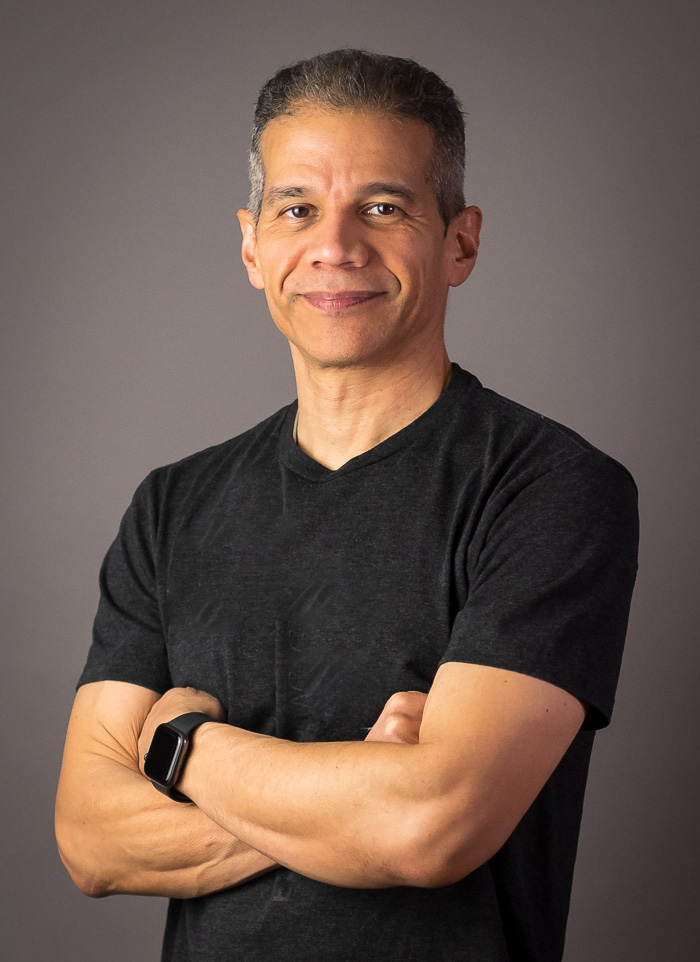
I have taught composition for fifteen years, in the field across the Hudson Valley, the American Southwest and Latin America, and online through Creative Path Workshops and the Academy. Before that I spent fifteen years as a recording engineer and producer, and I still think about a photograph the way I used to think about a mix: what is in front, what supports it, and what has to come out.
I am a Canson Infinity ambassador and the author of two books on fine art printing, and printing is where I learned that the body of work is the thing, not the single frame. This is the first time I have taught composition this way, as the making of one body of work, in a small group, online. It is the format I have wanted to run for years.
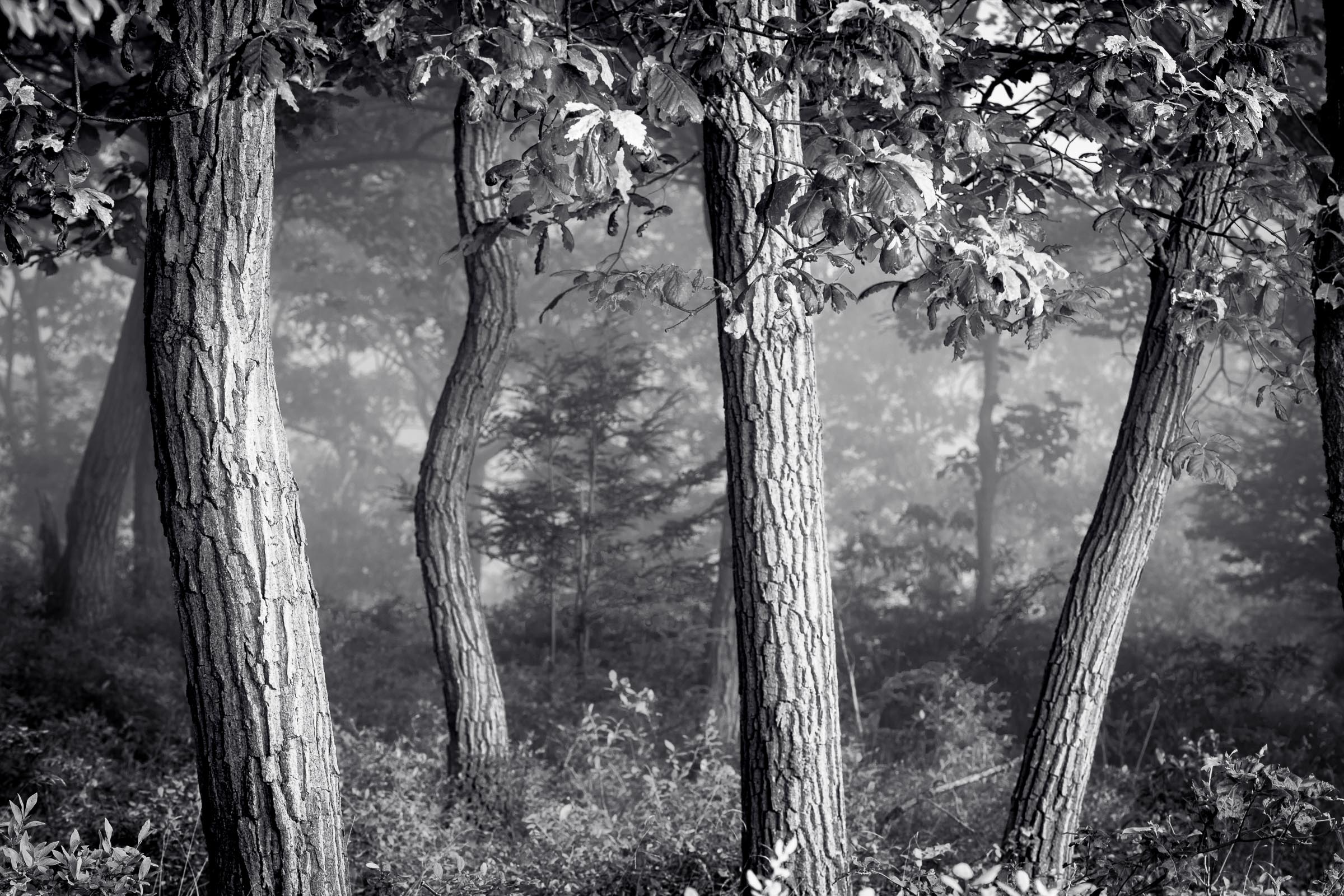
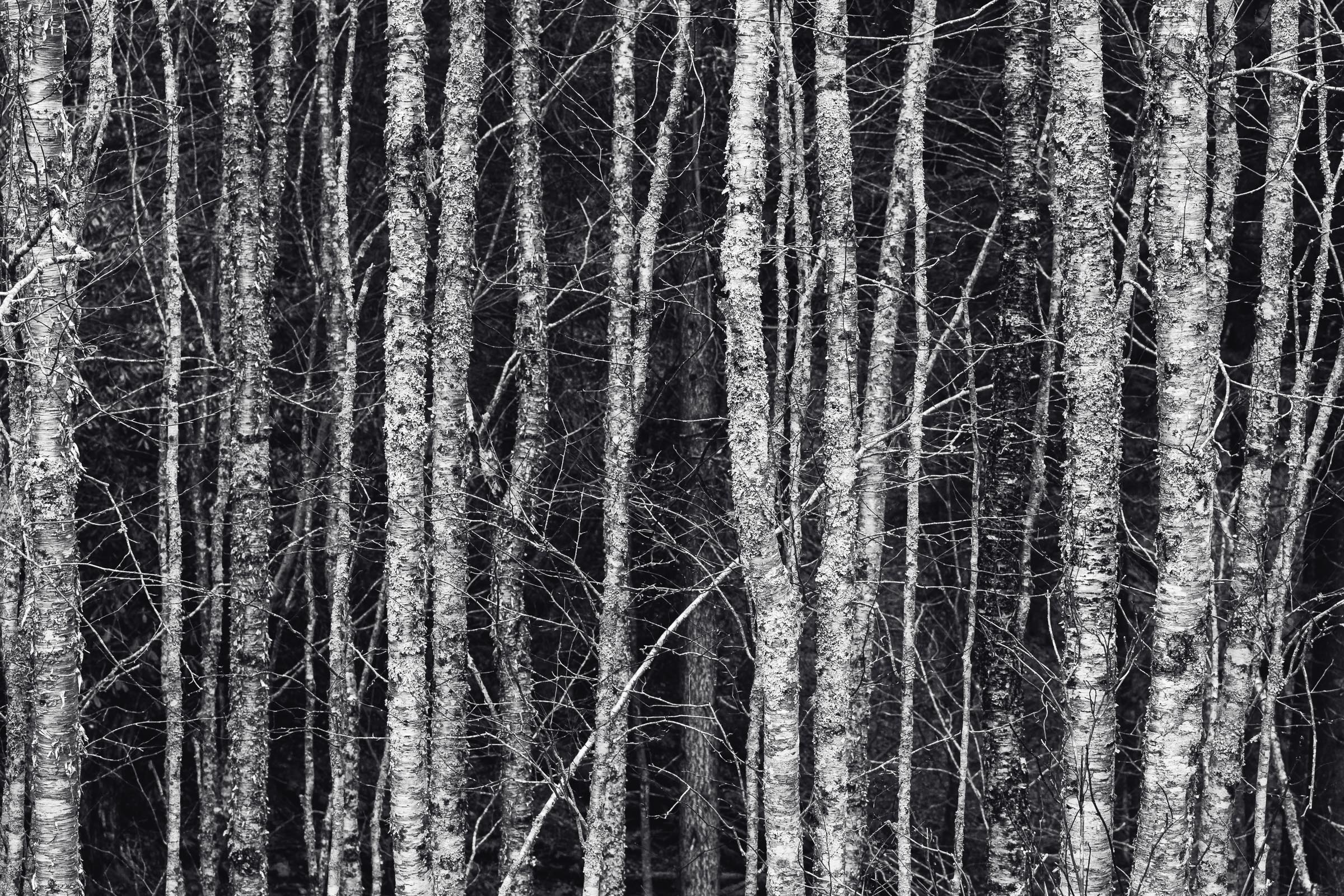
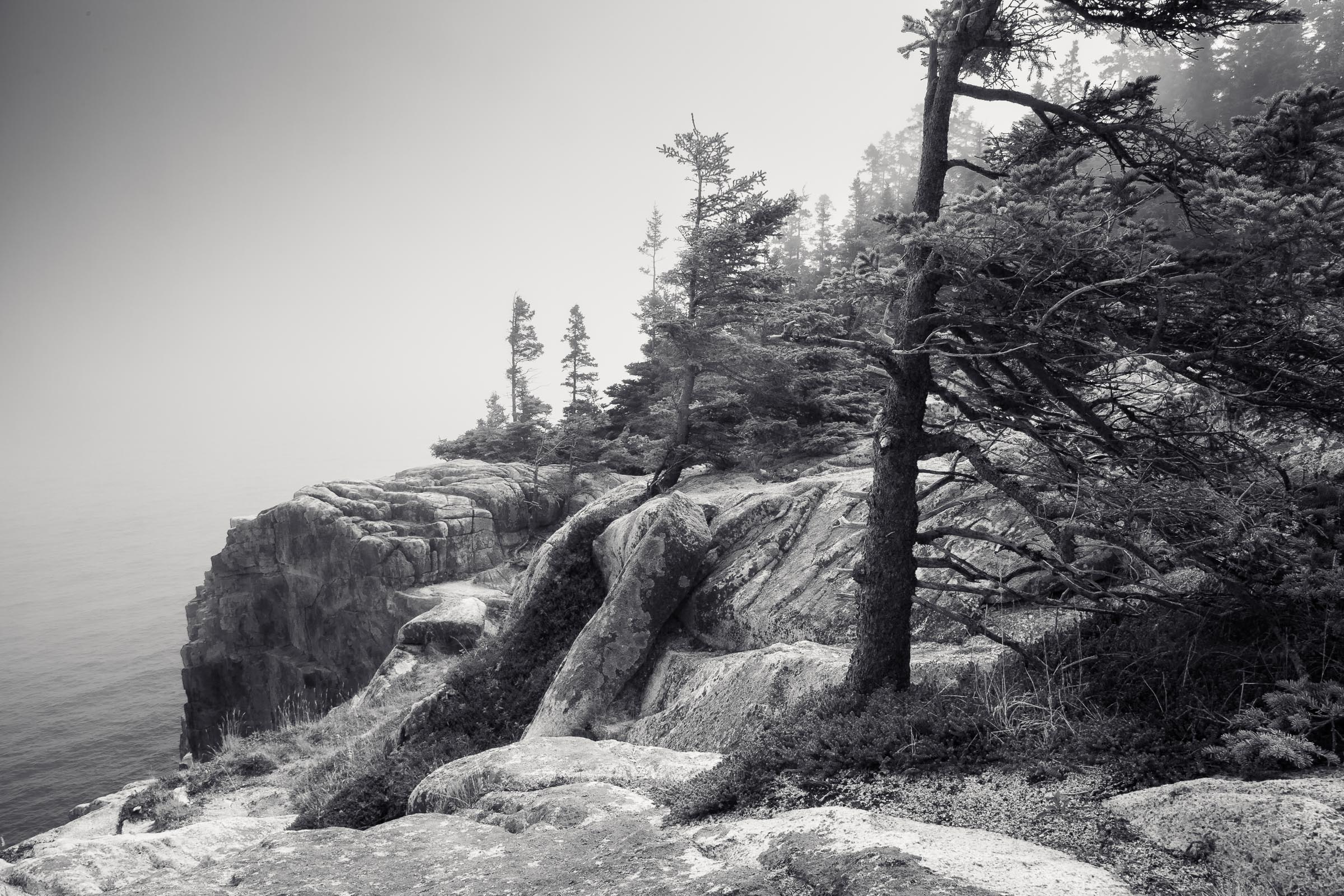
Ten live sessions on Zoom, Tuesdays 1:00 to 2:30 pm Eastern, 3 November to 19 January. That is 6 pm in London and 7 pm in Berlin.
Every session is recorded, with lifetime access to all ten recordings.
Ten spots. The cohort runs with eight.
Founding cohort price $749. The next run will be $995.
A $200 deposit reserves your spot, refundable until 1 November. The balance of $549 is due 30 October.
You need twenty photographs around one subject, the editing software you already use, and Zoom.
Reserve your spot
A $200 deposit holds your place, refundable until 1 November. The balance of $549 is due 30 October, and we begin on Tuesday 3 November. If the cohort does not run, every deposit comes back in full.
Prefer one payment? Pay the full $749 now. Either way, you'll hear from me the same day with a short welcome note.