
Composition Is the Skill You Never Stop Learning
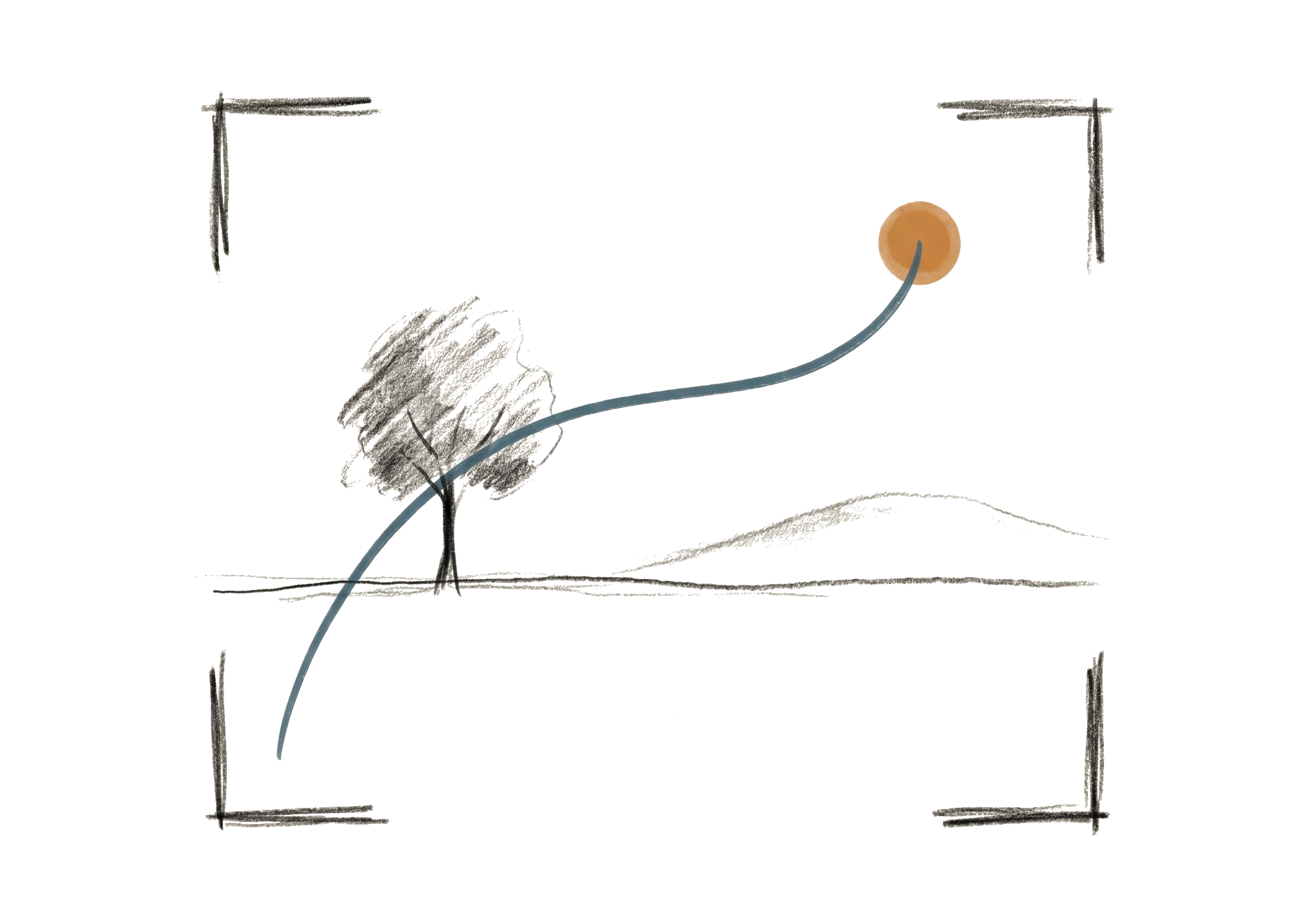
When I teach composition, I start with a simple observation: the rules are the easy part. You can learn the rule of thirds or the basics of leading lines in an afternoon. What takes years to internalize is what composition actually is beneath those ideas.
Here’s what I’ve come to believe, after many years of teaching composition and many more years of trying to use it creatively: composition isn’t a checklist of rules you apply to a scene, it’s an act of orchestration.
By orchestration I simply mean that your goal as a photographer is to control the viewer’s general eye path through the image, sometimes forcefully and other times very gently. It’s the same thing a conductor does with a piece of music: deciding where the listener leans in, where they rest, where they get pulled forward.
The rules of composition stop feeling mechanical once you see them this way, and instead they become guides that help you arrange a stronger image.
Consider what a rule like the rule of thirds actually does. It tells you that placing your subject at one of the intersections of a 3×3 grid tends to produce a satisfying composition, and that’s true in general.
What it doesn’t teach you is how to use it in a way that isn’t obvious, or when to ignore it altogether. Any rule by itself doesn’t work in isolation, it needs to work within the context of the whole composition. And that is one of the hardest things to learn and teach.
But it begins and ends with how the viewer moves through the frame. That path determines whether the rule of thirds, or any rule for that matter, actually improves the composition. Rules are like tools in your compositional toolbox, and they’re only useful when they address the compositional problem you’re trying to solve.
Imagine a photograph of three identical trees, spaced evenly like a steady rhythm. The viewer’s eye sees the predictable repetition without any sense of direction, and after a moment, tunes out. Now change the middle tree; perhaps it leans a little, or moves closer to one tree than the other, or grows larger than the others. Suddenly you have something more interesting that tells the viewer how to move through the image.
And if the two trees that are closer to each other can be shifted toward a third without compromising the composition, then the rule of thirds strengthens the composition. But if that adjustment pushes a tree against the edge of the frame creating unnecessary tension, the rule wouldn’t work, it would weaken the composition.
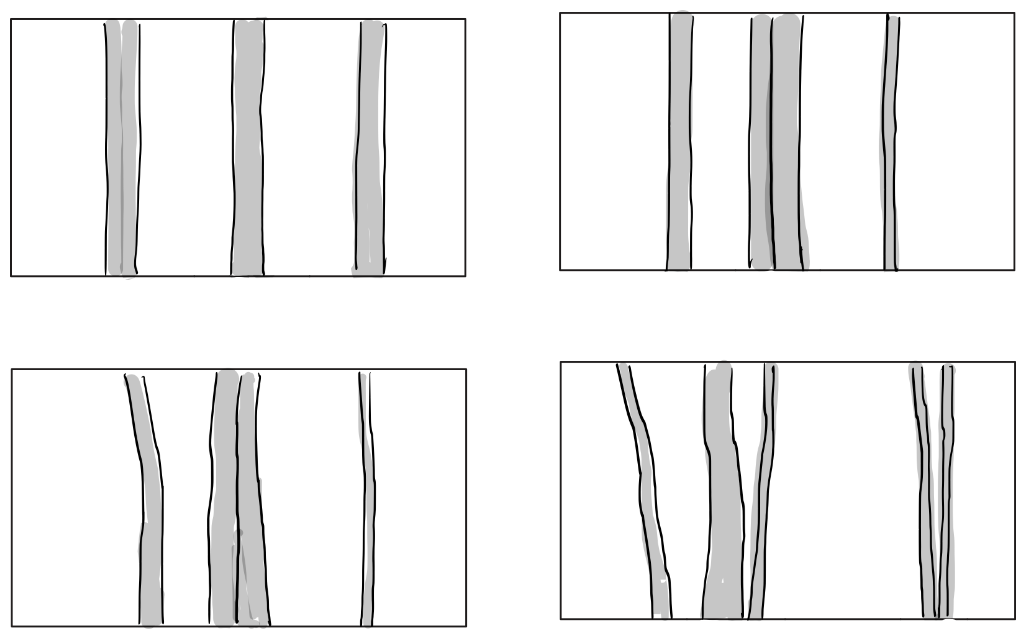
In both cases it’s not the rule itself that’s important, but rather how and when it’s useful. Good to know the rule, and just as good to know when to ignore it.
Once you start labeling parts of the frame by the job they are doing, you stop asking whether you followed the rule. You start asking what the element is doing to the viewer’s attention. That question turns composition from a beginner topic into a skill you never stop learning.
First Principles
- Every rule is a guardrail that can be moved or ignored when you have a good reason to. Using the rule intuitively helps you learn why it works, and when it doesn’t.
- Variation within repetition is how you create movement. Find repeating and varying elements in your scene, then use them to guide the viewer. More variation increases movement; less variation slows or stops the viewer.
- Every element in the frame has an effect. Notice how each contributes to the composition, and whether that contribution adds to or takes away from the idea you’re trying to express.
What you learned about composition when you started is not wrong. It’s only the first layer of something much deeper. The real skill is guiding the viewer in a way that rewards them at first glance and again over time, letting them ask questions and suggesting what the answers might be.
Can you learn this? Absolutely. I know because I’ve learned it three times: first as a musician learning to hear composition, then as a photographer learning to see it, and again later when I picked up watercolor painting from zero in my fifties and eventually made paintings people wanted to buy.
Same principles, different medium. None of it came from rules or shortcuts or luck, it came from dedicated practice and honest feedback from people further down the path.
There are many ways to find that. Books, mentors, communities, workshops, your own deliberate practice. The Academy is one of them, and it’s the one I’ve built, but the point isn’t where you do this work. The point is that you can.